Where Vascular Science Evolves into Practice: Inside the EVES Scientific Experience

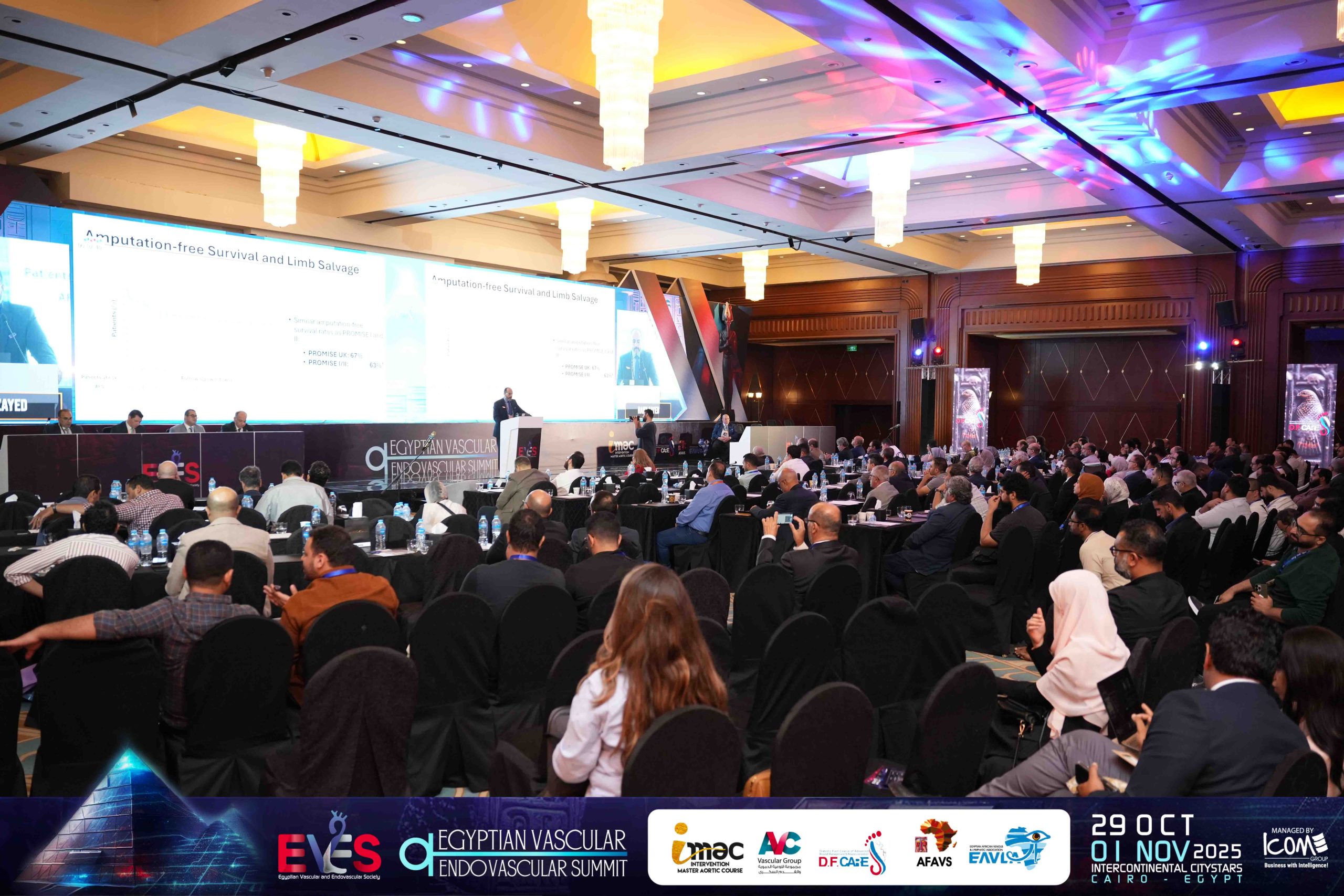
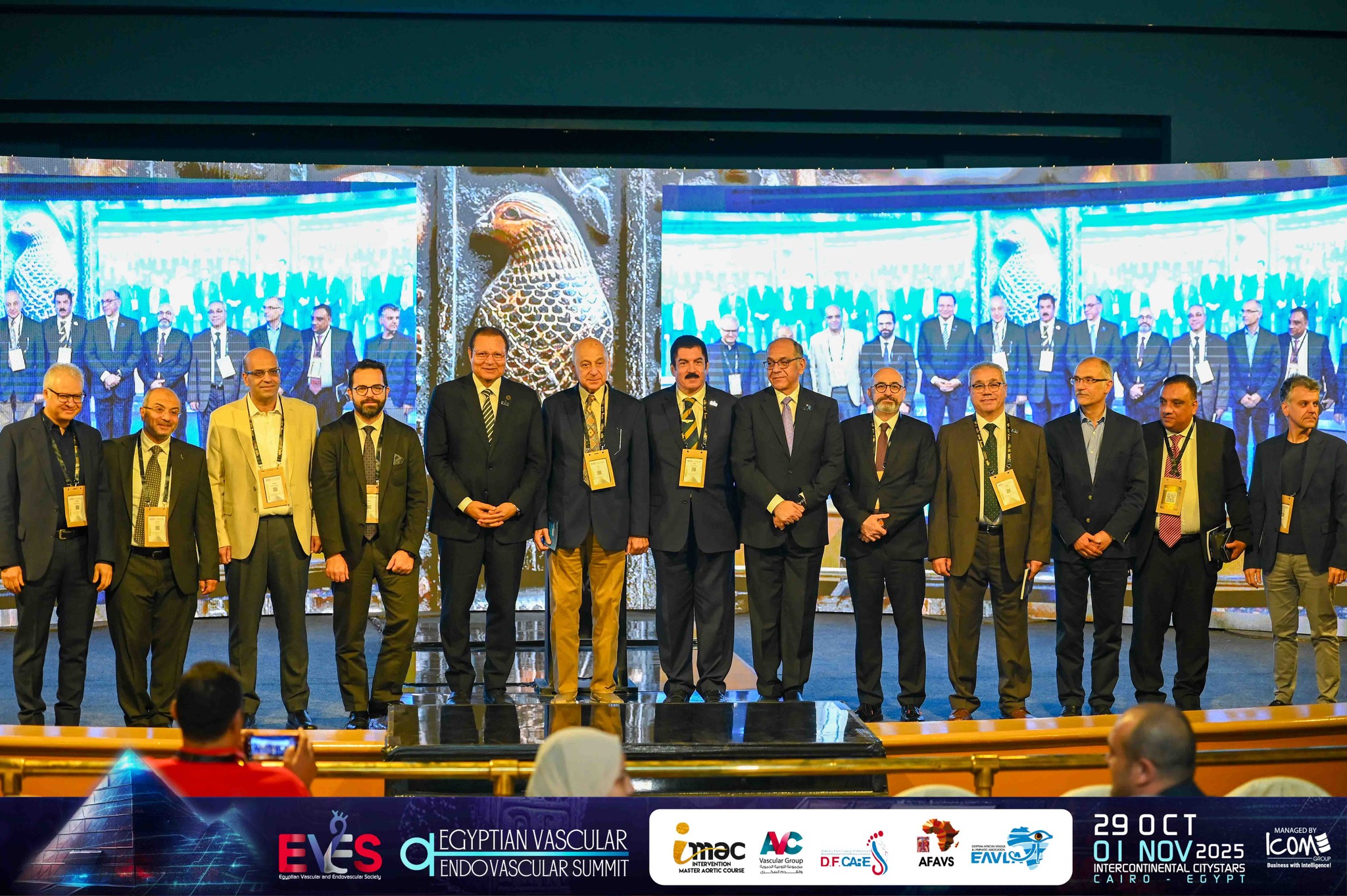
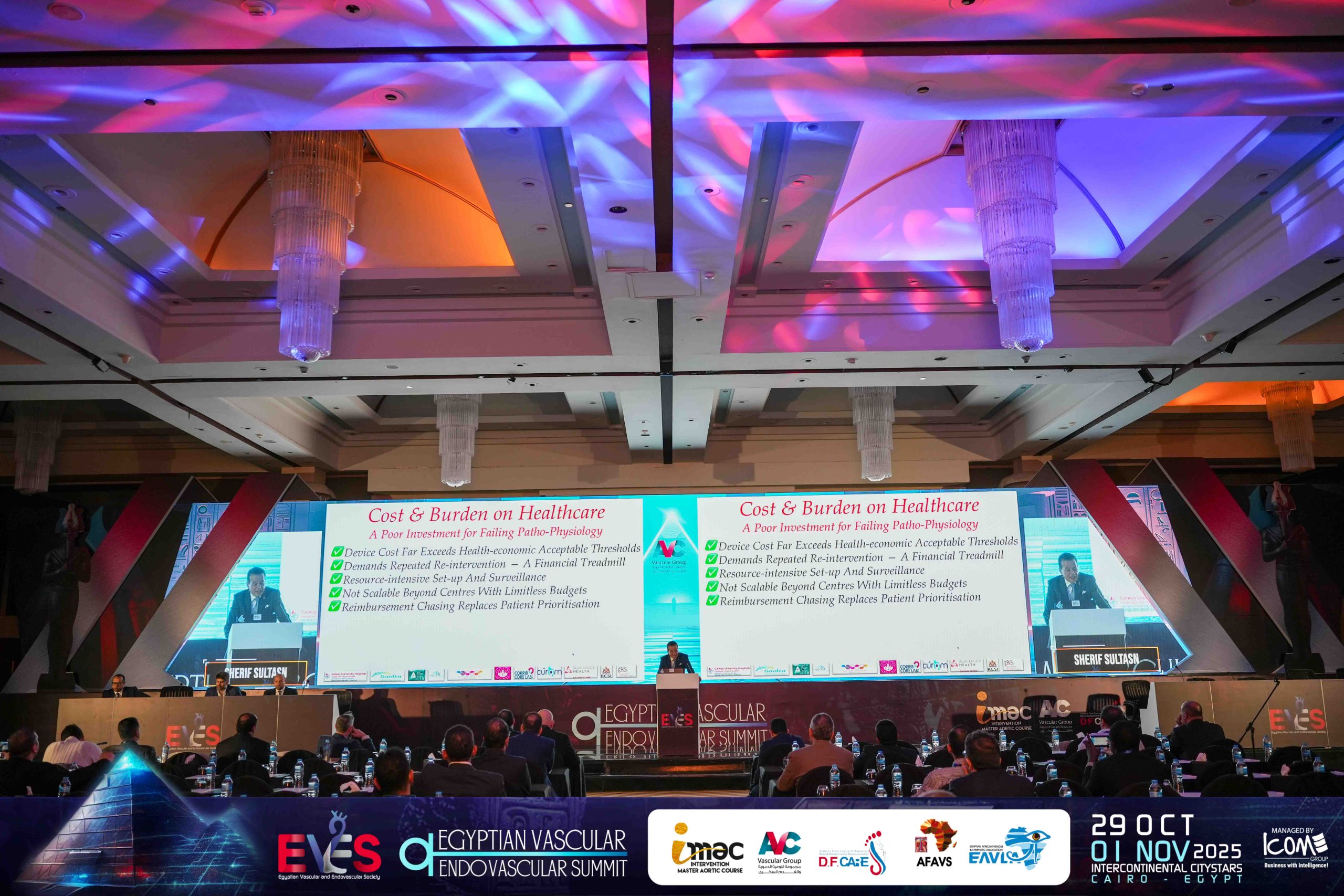
At a time when vascular medicine is rapidly expanding across subspecialties, technologies, and patient populations, the Egyptian Vascular and Endovascular Society (EVES) Annual Conference held from 29 Oct – 1 Nov stood as a defining platform where evidence, innovation, and real-world application intersected.
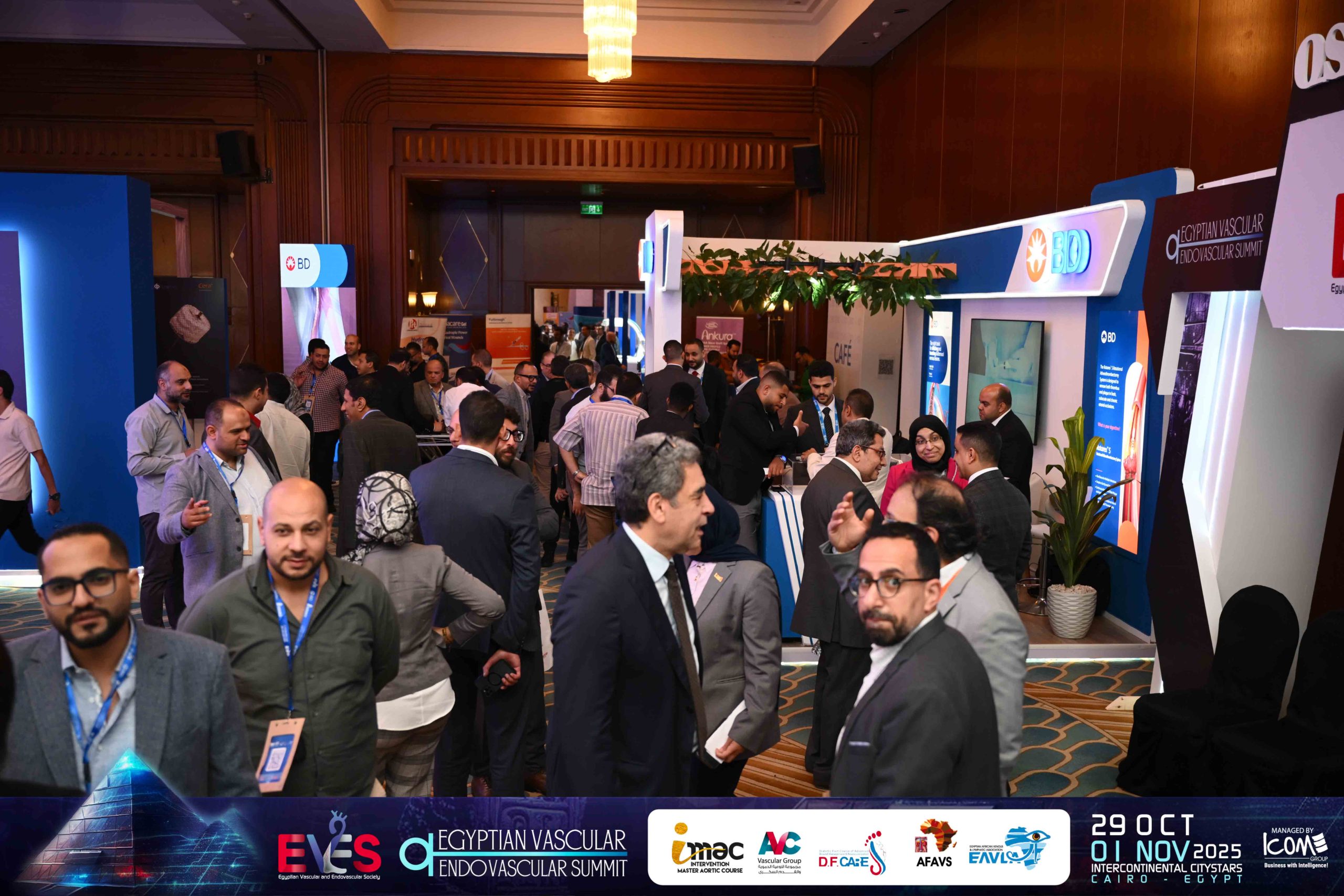
Welcoming 1,200 participants and 83 international experts from Europe, Middle East, Asia, and US, the EVES delivered one of the most comprehensive vascular scientific programs ever hosted in the region—spanning arterial, venous, aortic, diabetic foot, trauma, pediatric, and multidisciplinary vascular care.
A Scientifically Orchestrated Program Across 3 High-Impact Days
Day 1: Foundational Science, Guidelines, and Clinical Controversies
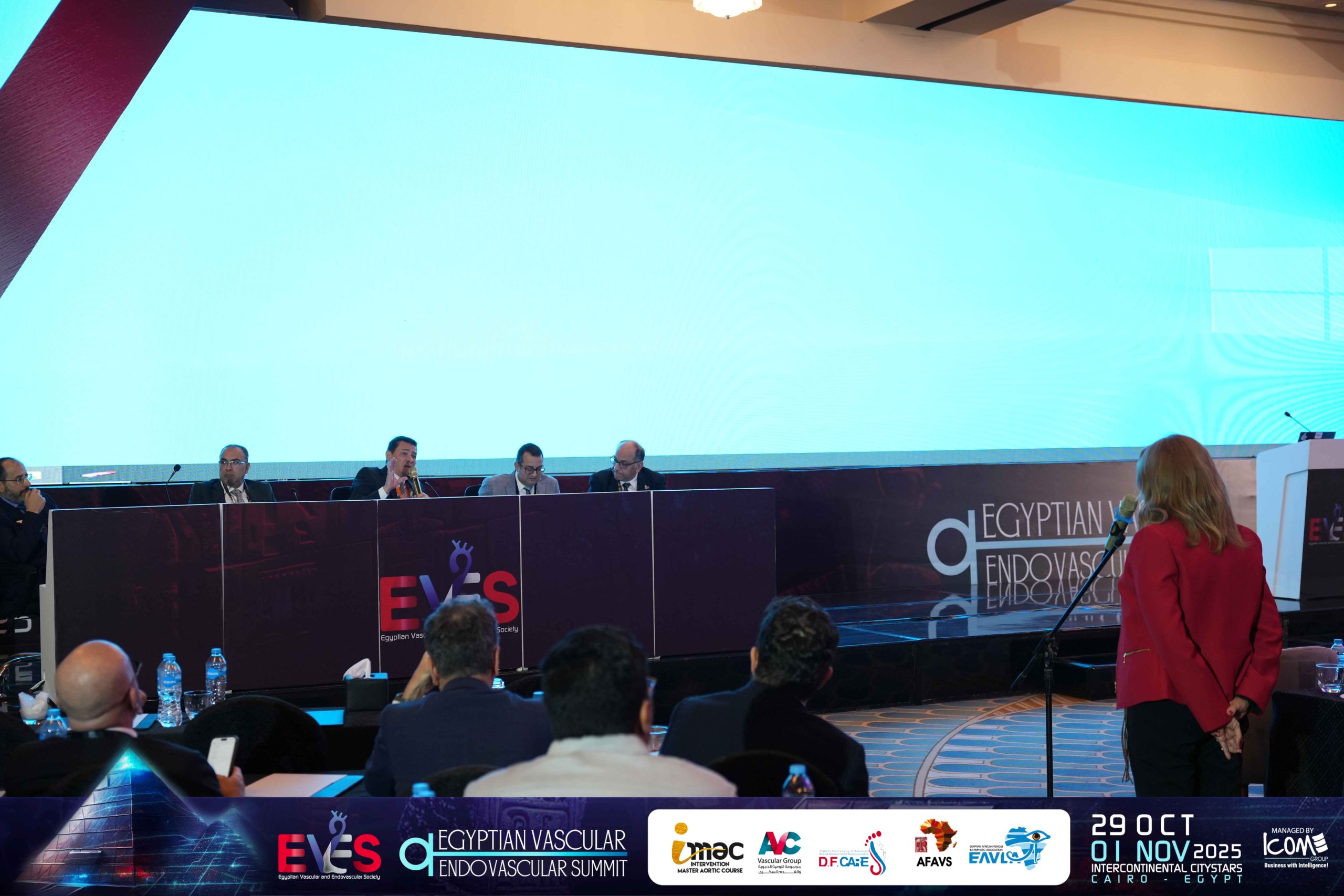
The opening day established the conference’s scientific rigor with parallel sessions covering Aortoiliac Occlusive Disease, peripheral arterial disease (PAD), venous disorders, vascular access, lymphedema, and carotid pathology.
Key highlights included:
- Advanced debates on aorto-iliac occlusive disease, comparing open surgery, covered stents, and bare-metal stents
- European-led sessions on superficial and deep venous disease, addressing thermal vs non-thermal ablation, foam sclerotherapy, venous stenting, and unresolved “grey zones” in practice
- Dedicated tracks on vascular access, focusing on preoperative planning, pediatric access challenges, endovascular AVFs, and complication management
The day also featured high-level carotid sessions in collaboration with regional and international societies, exploring modern imaging, carotid stenting evolution, TCAR, and surgical decision-making in complex non-atheromatous disease.
Day 2: Innovation, Live Cases, and Multidisciplinary Integration
Day 2 marked a shift from theory to hands-on decision-making and advanced interventions, with a strong emphasis on aortic pathology, diabetic foot care, trauma, and complex endovascular techniques.
Scientific highlights included:
- Multiple IMAC aortic sessions, addressing EVAR, FEVAR, BEVAR, physician-modified endografts, and emergency aortic interventions
- Live and recorded cases demonstrating complex EVAR, CO₂-guided interventions, para-aortic strategies, and bailout techniques
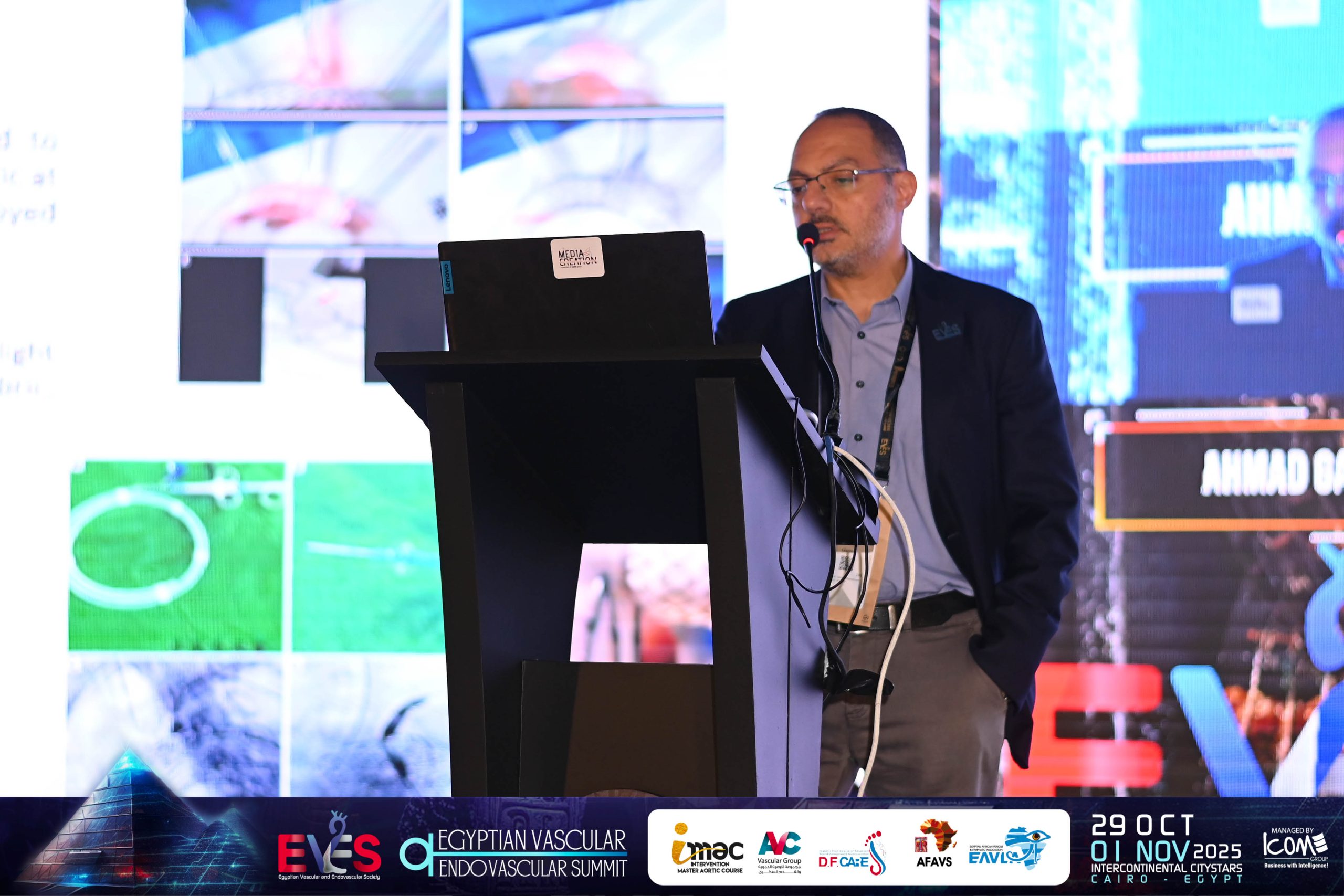
- One of the most comprehensive diabetic foot programs in the region, combining limb salvage algorithms, pDVA techniques, vessel preparation, AI-driven wound care, and live rally-style educational formats
- Trauma-focused sessions showcasing endovascular and hybrid management of vascular injuries, blunt aortic trauma, and pediatric vascular trauma
The program also integrated clinical pharmacy, pulmonary embolism, and medical liability discussions—reinforcing EVES’s commitment to holistic vascular practice beyond the operating room.
Day 3: Future Directions, Education, and Global Collaboration
The final day looked ahead, addressing the future of vascular care, training, and system-level integration.
Key themes included:
- Controversial debates in aortic surgery, including pararenal aneurysm management, failed EVAR strategies, and dissection treatment algorithms
- Cutting-edge venous sessions with the American Venous Forum and Venous Symposium Europe, focusing on guidelines, deep venous reflux, pelvic venous disease, and post-ablation controversies
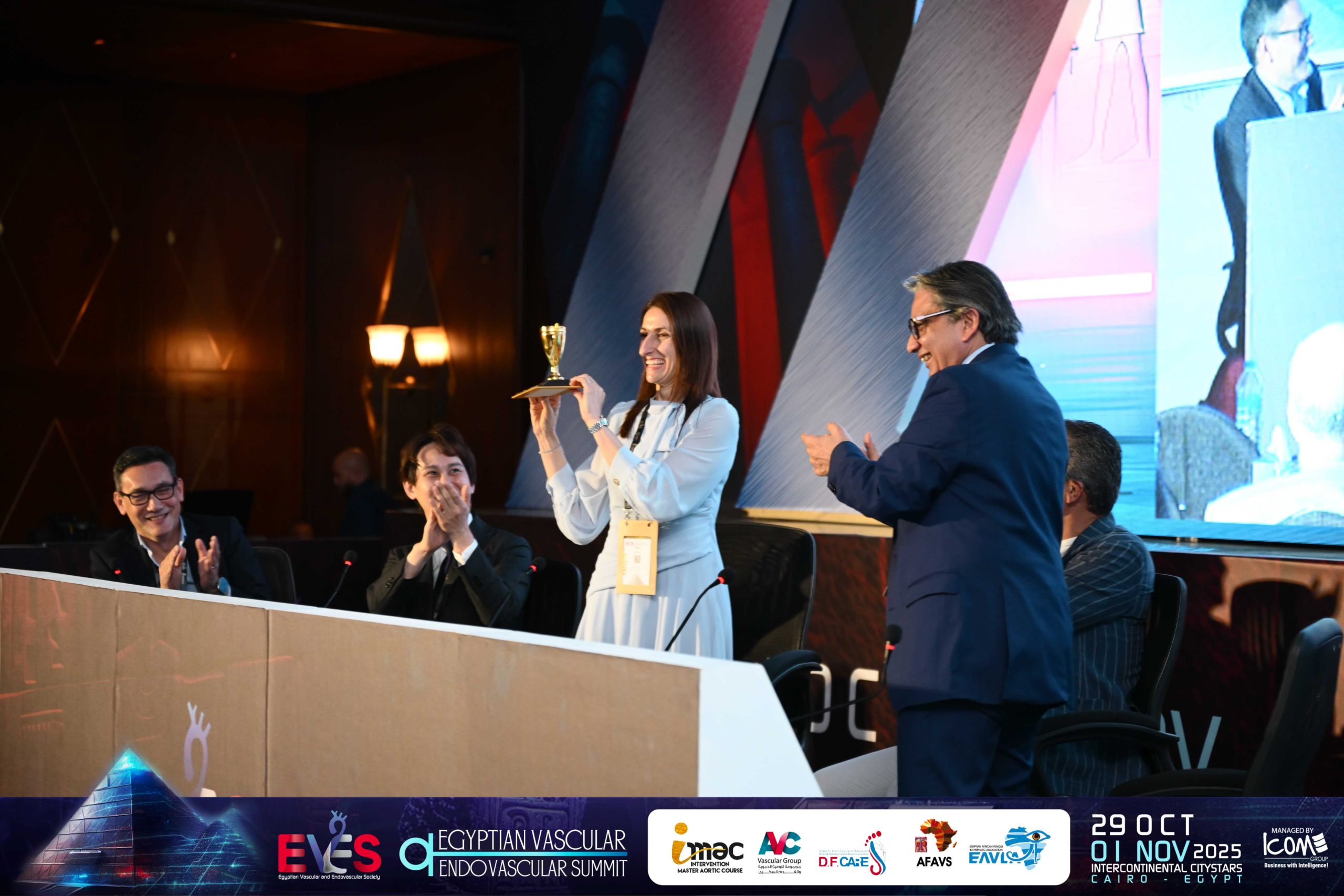
- A strong spotlight on youth, training, and gender equity, with dedicated EVES Youth Committee and Women in Vascular sessions discussing career development, global training pathways, and leadership inclusion
Complementing the main program, an extensive hands-on workshop portfolio covered ultrasound-guided interventions, vascular access complications, carotid endarterectomy, aortic surgery, AVM management, and advanced device-based techniques.
Accredited Excellence with Dual Recognition
The scientific quality of EVES was reinforced through 32 European CME hours and 24 CME hours accredited by the Egyptian Health Council, underscoring the conference’s alignment with international educational standards and its value for continuous professional development.
Reflecting on the conference’s scope and impact, Prof. Mohamed ElDessoki, President of the Egyptian Vascular and Endovascular Society, stated:
“The EVES has grown into a truly comprehensive vascular platform—where education, innovation, and collaboration come together to directly influence patient care. This year’s scientific depth and international engagement reflect the society’s long-term vision for vascular excellence in Egypt, the region, and worldwide”.
Behind the Excellence: ICOM Group’s Role
Delivering a program of this magnitude required seamless coordination across multiple halls, live transmissions, international faculty, workshops, and accreditation requirements. This execution was led by ICOM Group, whose specialized expertise in large-scale medical congresses ensured:
- Smooth integration of parallel scientific tracks and live cases
- End-to-end faculty and speaker management across time zones
- High-quality delegate experience aligned with European congress standards
ICOM Group’s role went beyond logistics—acting as a strategic partner in translating EVES’s scientific ambition into a cohesive, impactful congress.
Looking Ahead
With its multidisciplinary depth, global participation, and forward-looking agenda, EVES continues to shape the future of vascular practice in Egypt and beyond. The conference reaffirmed that progress in vascular medicine is driven not only by technology but by structured knowledge exchange, collaboration, and execution excellence.
Stay connected with ICOM Group for more in-depth coverage of landmark medical conferences across Egypt, the region, and Europe.